
Consequences of Abuse
When a child is abused, many victims are created, including the child, the congregation, the child’s family, and even the family of the abuser. Of course, of foremost importance is the child who has been harmed and he or she must be cared for. Innocence has been stolen from the child and the trauma of abuse causes emotional injury as well as physical injury. Feelings of mistrust, guilt, and sheer emotional pain are scars that can last through the victim’s life. Spiritually, great harm is done to the child when a trusted person in the temple community perpetrates the abuse. The child may struggle with faith in Krishna and the temple with questions like: “If Krishna loves children, how could He let this happen to me?” and “How can the devotees go on chanting and taking part in kirtan, acting like nothing has happened?” Experiences of child abuse create emotional effects, as well as physical, that can be profound and affect the person well into their future, even to adulthood.
If any such child abuse is brought to the attention of the child protection team, the team should act upon it with deliberation. The longer the abuse goes on, the more harm it does to the child. If you suspect a child is in a dangerous situation, take immediate action. Every team should learn and follow local laws on mandated reporting of child abuse to civil authorities. It is our responsibility to protect the children sent to us by Lord Krishna and Srila Prabhupada.
What is Child Abuse
Child abuse occurs when an individual misuses their power to harm or exploit a child. The power imbalance arises from factors such as size, position, knowledge, or financial control, making the child vulnerable and unable to stop the abusive behaviour.
An abuser leverages their position of power, while the child’s vulnerability stems from fewer available resources. Children are often physically smaller and weaker, less intellectually mature, and economically dependent on the abuser or another adult. This imbalance creates an environment where the misuse of power combined with opportunity, can lead to child abuse.
Understanding this dynamic along with knowledge of the different forms of abuse and neglect is critical to recognizing situations where a child may be at risk, ensuring that safeguards are in place to protect their well-being and prevent harm.
-
Physical abuse occurs when a parent, guardian, or caregiver intentionally inflicts physical harm on a child. This may also be a result of unrestrained or overzealous attempts to discipline. Examples may include a violent battery with a weapon (knife, belt, strap, or other instruments), burning, shaking, kicking, choking, fracturing bones, and any variety of non-accidental injuries to a child’s body.
-
Sexual abuse occurs when an individual, whether male or female, exploits a child to fulfill their sexual desires. This can involve coercion—either physical or verbal—where the child is forced, persuaded, enticed, seduced, exposed, or manipulated into engaging in sexual acts. Such acts may include fondling, intercourse, incest, or exploitation through child pornography or prostitution. It is crucial to recognize that children are never truly capable of giving consent or effectively resisting such contact due to their vulnerability and lack of power in these situations. Sexual abuse not only violates the child’s physical and emotional boundaries but can also have lasting, devastating effects on their mental health and well-being.
-
The persistent emotional ill-treatment of a child such as to causes severe and lasting adverse effects on the child’s emotional development. Children exposed to emotional abuse may experience being locked in a closet, being deprived of any sign of parental affection, being constantly told they are bad or stupid, or being allowed or forced to use alcohol or drugs. Emotional abuse is often very difficult to prove and is devastating to the victim, sending a message to the child of worthlessness, badness, and being not only unloved but undeserving of love and care.
-
Abuse in which physical, sexual, or psychological violations of a child are inflicted regularly, intentionally, and in a stylized way by a person or persons responsible for the child’s welfare. The abuser may appeal to some higher authority or power to justify the abuse. The abuse may also include cruel treatment of animals or repeated threats of harm to a child and other persons. Reports of ritual abuse are often extremely horrifying and may seem too grim to be true. However, children making such reports must not be ignored.
-
Neglect occurs when a parent or guardian fails to provide the child with basic needs, love, and care. It involves the absence of essential support required for the child’s physical, emotional, and developmental well-being. Examples include: withholding of food, clothing, and medical care; failing to provide access to education; neglecting the child’s need for affection, emotional support, affirmation of their self-worth, leaving a child on his own and allowing the child to be exposed to harm.
-
Digital abuse refers to a range of harmful behaviors carried out through digital technologies, including phones, social media, messaging platforms, and online communities, e.g., games. Digital abuse can occur as an act of commission (active harm) or omission (failure to protect), particularly where a responsible adult or authority figure allows a child to be exposed to harmful online environments without appropriate safeguards.
Forms of digital abuse may include, but are not limited to:
Online harassment or bullying – sending threatening, degrading, or humiliating messages, or encouraging others to do so
Exploitation – coercing or manipulating a child into sharing images, personal information, or engaging in inappropriate interactions
Monitoring and control – excessive surveillance, tracking, or restricting a child’s digital communication in a manner that is coercive or abusive
Exposure to harmful content – knowingly allowing or facilitating access to age-inappropriate, violent, or sexually explicit material
Impersonation or deception – creating false identities to manipulate, deceive, or exploit a child
Public shaming or humiliation – sharing private information, images, or conversations without consent
It is generally not treated as a separate category because it describes the context—the digital environment—in which abuse occurs, rather than a distinct form of harm, which still falls within established categories such as emotional, sexual, or physical abuse. However, it requires particular attention, as its signs may be less visible or easily overlooked. It frequently occurs in private digital spaces, such as personal devices, messaging applications, or online accounts that are not easily monitored. Unlike some other forms of abuse, there may be no physical signs to indicate that harm is taking place. Children may also hide or minimize their experiences due to fear, shame, or attachment to the person or platform involved. In many cases, harmful interactions develop gradually and may be subtle in nature, such as grooming or manipulation, making them harder to recognize. Additionally, adults responsible for a child’s care may not be fully aware of the platforms, communication styles, or behaviors through which such abuse can occur, which can further delay identification and response.
Effective prevention and response require awareness of digital risks, proactive supervision, and a clear understanding of how abuse may manifest within online environments.
-
Most child sexual abuse is not spontaneous. Research indicates that the overwhelming majority of survivors experienced at least one grooming behavior before the abuse occurred, with many reporting an average of 14 grooming behaviors by the offender.
Grooming is a deliberate, ongoing process used to build trust and gain access to a child. It may occur over days, weeks, months, or even years. Offenders may groom not only children, but also their parents, caregivers, and the wider community to minimize suspicion, establish trust, and create more access.
Signs and Symptoms of Abuse
If members of society are educated on the signs and indicators of abuse, it becomes possible to take timely action in reporting and investigating suspected cases. Early intervention is critical in ensuring that children subjected to any form of abuse receive help, safety, and protection as swiftly as possible. By fostering awareness and vigilance within the community, we can collectively work to prevent further harm and support the well-being of vulnerable children.
01 - Possible signs of Physical abuse
Unexplained injuries, such as bruises, broken bones (fractures) or burns
Injuries that don't match the given explanation
Injuries that aren't compatible with the child's developmental ability
Evidence of delayed or inappropriate treatment for injuries
02 - Possible signs of Emotional Abuse
Exhibits severe depression and/or withdrawal
Exhibits severe lack of self-esteem
Failure to thrive
Threatens or attempts suicide
Speech and/or eating disorders
Goes to extremes to seek adult approval
Extreme passive/aggressive behavior patterns
03 - Possible signs of Sexual Abuse
Unusually advanced sexual knowledge and/or behavior for child’s age and development stage
Depression – cries often for no apparent reason
Promiscuous behavior
Runs away from home and refuses to return
Difficulty walking or sitting
Bruised/bleeding in genital or anal areas
Exhibits frequent headaches, stomach aches, or extreme fatigue
Sexually transmitted diseases
04 - Possible signs of Neglect
Failure to thrive
A pattern of inappropriate dress for the climate
Begs or steals food; chronic hunger
Depression
Untreated medical condition
Poor hygiene
What is Child Protection
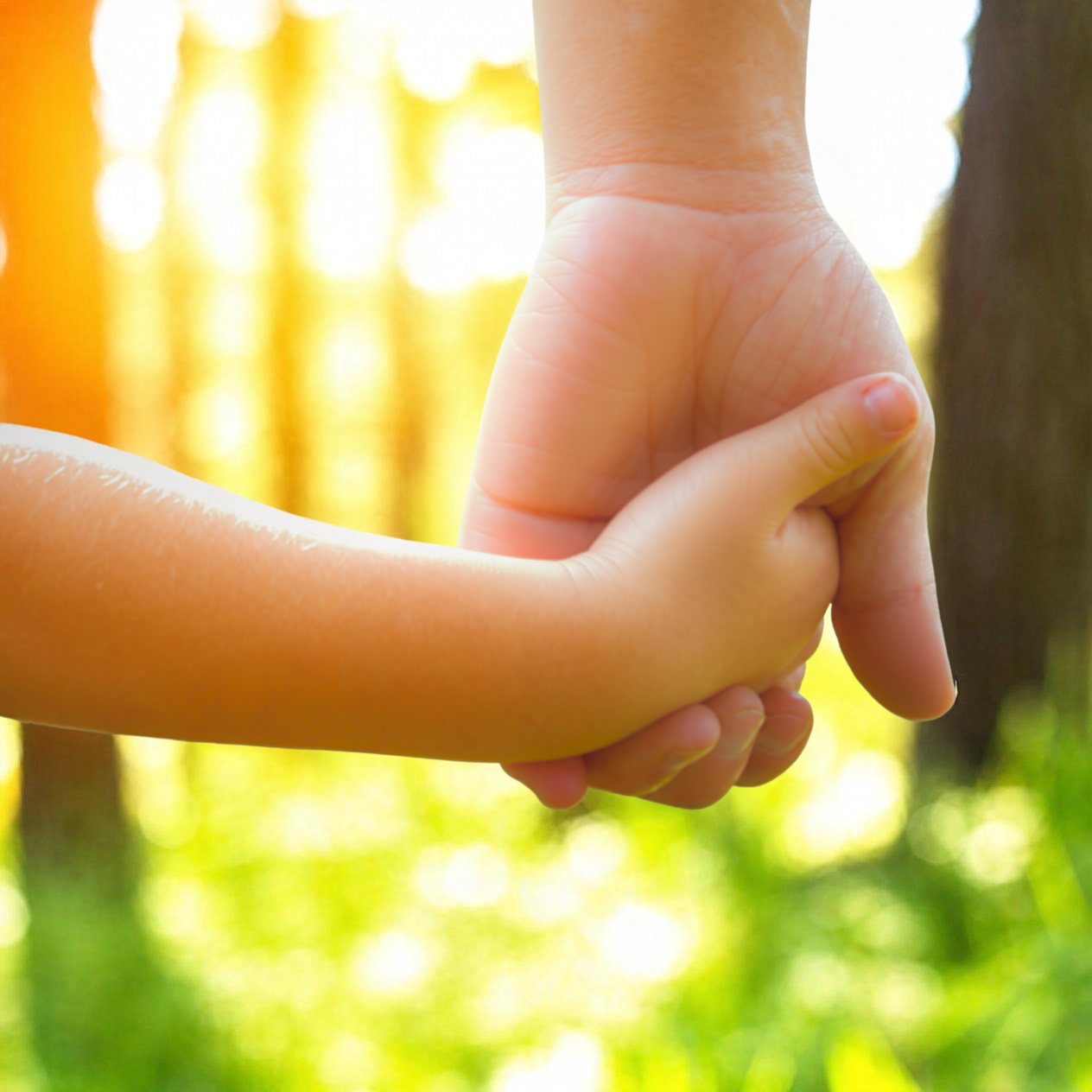
Child protection refers to the policies, procedures, and practices designed to safeguard children—defined as individuals aged 0–18 years, depending on the country or jurisdiction—from abuse, exploitation, neglect, and harm. It aims to create a safe, nurturing, and supportive environment that promotes children’s well-being and development.
Key aspects of child protection include:
Preventing abuse and neglect
Responding to abuse or harm
Developing policy frameworks
Creating safe environments
Advocacy and awareness
Support for vulnerable children
Child protection is a shared responsibility involving governments, communities, organizations, and individuals. Its ultimate goal is to ensure every child grows and thrives without fear of harm or exploitation.
At ISKCON, child protection is a priority and aligns closely with our core values of spiritual and organizational integrity. ISKCON has made significant strides in strengthening child protection policies, informed by expert-led reviews and investigations. These efforts reflect our ecclesiastical responsibilities to safeguard children. All ISKCON entities are required to comply with relevant civil and criminal laws, ensuring consistency and proactive approach to child protection globally.