
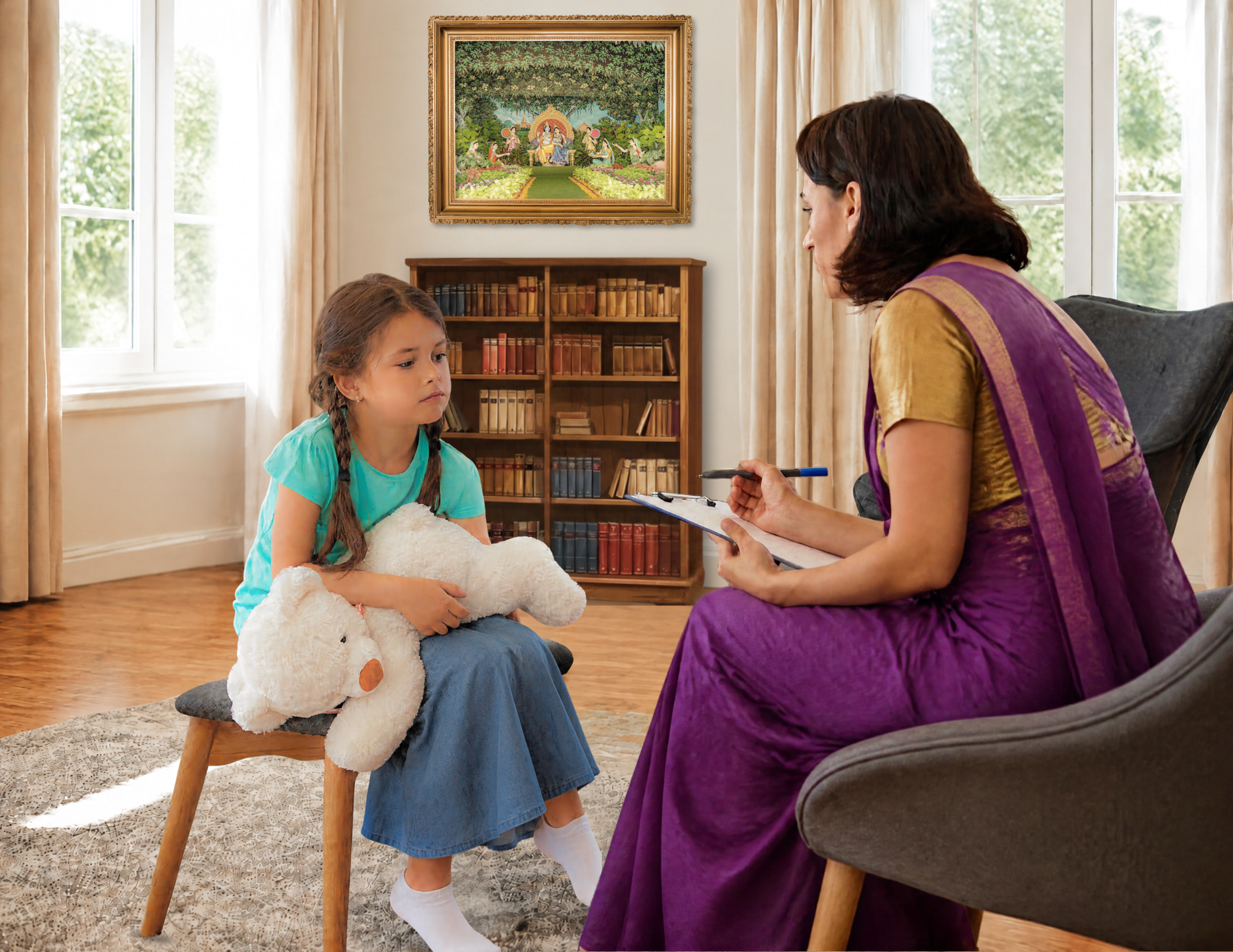
Speaking to Children who Report Abuse
What do I do if a child indicates they have been abused?
DO NOT
Investigate
Ask leading questions (a question that suggests the answer or contains the information the questioner is looking for. For example;‘That man touched you, didn’t he?’)
Make promises
Notify the parents or the caretaker if they are the abuser
DO
Provide a safe environment (be comforting, welcoming, and a good listener)
Tell the child it was not their fault
Listen carefully
Document the child’s exact quotes
Be supportive and not judgmental
Know your limits. Don’t pressurise the child. Don’t ask too many questions. The child might not be ready to give all details of abuse yet. (pending psychological support) Don’t try to act as an investigator/ Counsel in Court
If the child is scared and has questions, do tell the truth. For example, if a child asks, “Do my parents need to know?”, encourage the child to inform the parents. Make no promises.
Ask ONLY four questions: What happened? Who did this to you? Where were you when this happened? When did this happen?
Ask the child how he/she feels about informing the parents if the abuser is NOT a parent/relative
Asking any additional questions must be done using one’s discretion so as not to be suggestive or pressurizing the child